
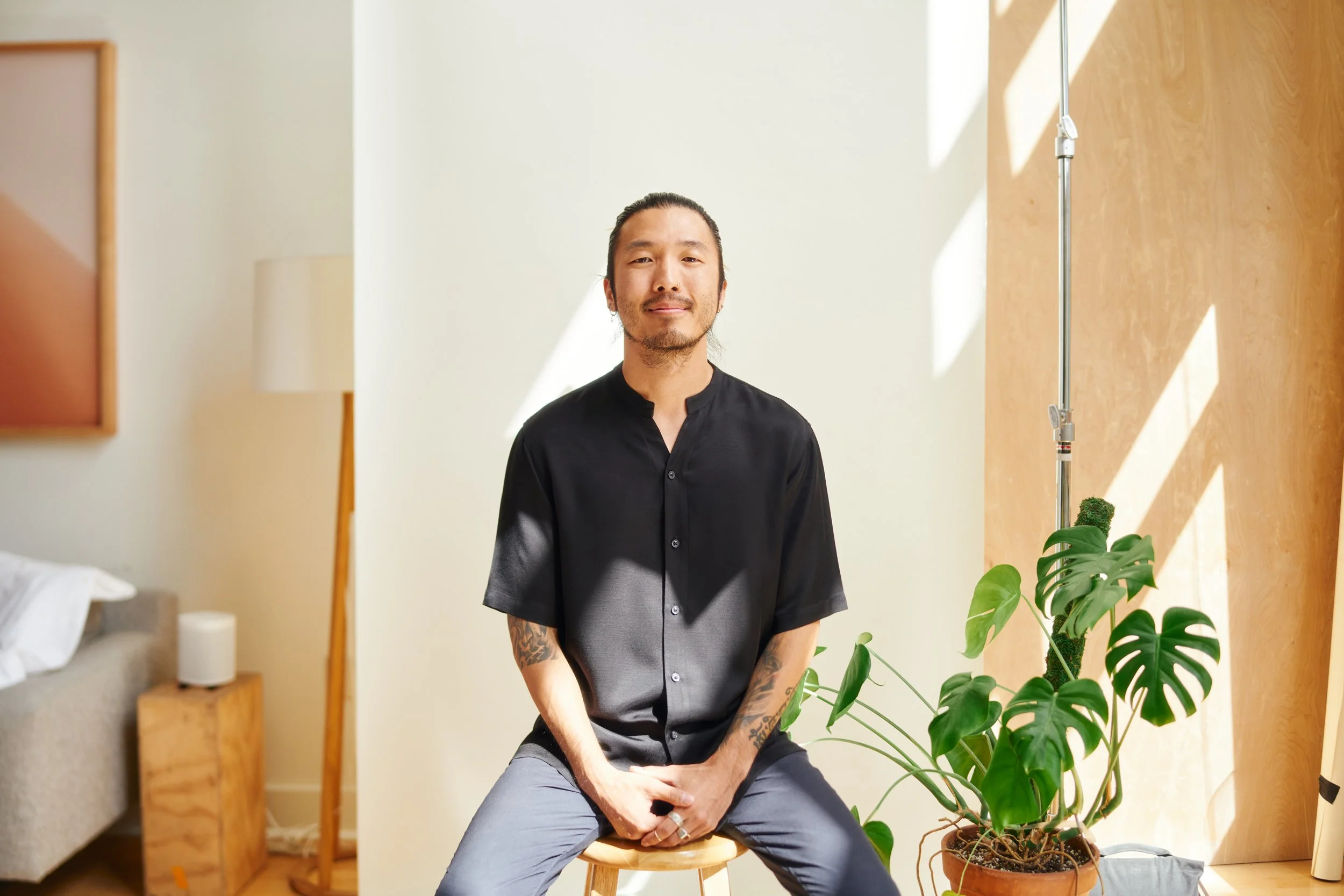
About Me
I specialize in complex and developmental trauma, with a focus on how early relationships and environments shape the nervous system, attachment, and the relationship to ourselves.
Like many people who find their way to this work, I spent well over a decade searching for a way to resolve my own CPTSD. While talk therapy, psychedelics, and meditation retreats brought meaningful insights and stability, they did not change the persistent sense of threat I felt in my nervous system and relationships. Over time, the effects of chronic threat extended beyond my emotional life, leaving me bedridden with a range of health complications.
Those experiences ultimately changed what I believed healing required. My search to resolve my own suffering brought me to approaches centered on the nervous system and the therapeutic relationship, where I experienced the deeper change I had been seeking. This led me to complete the three-year Somatic Experiencing Practitioner® training and later serve as an instructor at the Psychedelic Somatic Institute (PSI).
My work has continued to evolve as I've tried to understand why trauma therapy leads to lasting change for some, while leaving others more stuck or overwhelmed. I eventually stepped away from PSI to explore this further, reshaping the way I work and giving rise to the Developmental Continuity Framework (DCF), an emerging model focused on addressing the structural impacts of early developmental trauma.
Healing is an intimate and vulnerable experience. Feeling safe, seen, and accepted by another is essential to that process. If you feel we might be a good fit, let’s start with a conversation and take it from there.
Recover your
calm now.
I provide a complementary consultation to make sure we’re the right fit.
My specialties include:
CPTSD & complex trauma
early developmental trauma
disorganized attachment
abandonment wounds and attachment insecurity
adult children of narcissistic, neglectful, or depressed parent(s)
adult children of physically and emotionally abusive homes
adult survivors of childhood sexual abuse and grooming
survivors of rape and violent sexual assault
chronic fear, mistrust, and hypervigilance
people-pleasing, fawning, and poor boundaries
psychedelic & therapy-related trauma